
The Art of Reframing (What's in Your Mind)
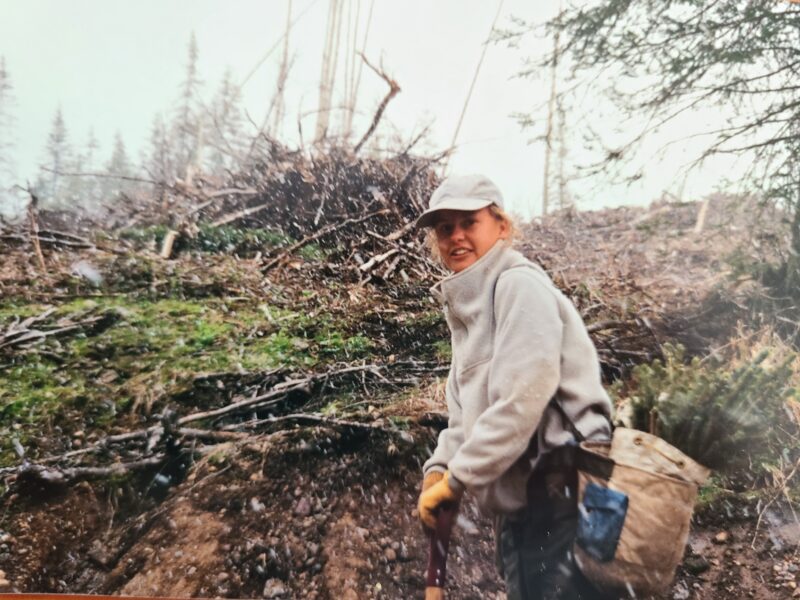
I have a habitual way of thinking or coping skill I discovered as a tree planter. When in extreme discomfort I would automatically think about something worse that could be happening. Then I would feel good that “at least” it wasn’t that. Maybe this comes with having a good imagination.
For example, if the mosquitoes were so thick that I was inhaling them into my nostrils, I would think that “at least” there weren’t any blackflies. Or if the land was so rocky I couldn’t plant a tree, I remarked that it was nice there were no mosquitoes. I’m sure this was annoying to planting partners who didn’t want to hear my “at leasts”. Though, in a situation I had no power to change, or could not leave, being grateful that something worse wasn’t happening may have been how I made it through twelve seasons of tree planting.
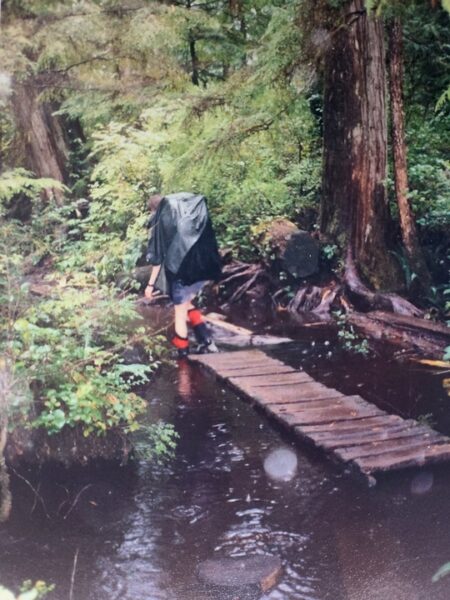
This train of thought also brings “fond” memories of hiking the West Coast Trail many years ago. There was an unseasonal storm when five of us women naively set out on the multi-day hike and it rained and rained until parts of the trail disappeared underwater. Every evening I would wring the water out of my socks and every morning I would put on wet boots. All the firewood was soaked. I had to shoulder my super heavy wet pack (I somehow didn’t use a pack cover) up and down slippery ladders, some as tall as trees. It was hard to find any “at leasts”. I thought, wow this is miserable, but there is an end point and what a story we will have share. “This too shall pass”. I started to even welcome the challenge and enjoy the hike.
This way of thinking even comes into play with art. Sometimes I spend way too many hours on a painting that doesn’t work out, or on a section that I end up painting over. Rather than beat myself up over the time I wasted, I think: I learned what I could from it, thankfully this doesn’t happen all the time and at least I am not tree planting!
Maybe being grateful for what is going well (sometimes by being able to imagine something worse) comes with practise. And it’s not like I’m not acknowledging unfortunate situations or sticking my head in the sand. This attitude is mostly about looking at the larger picture and not taking yourself too seriously. I guess you could also call it “reframing”. Afterall, I am on a little blue ball floating in space, I’m one of eight billion people on the planet, I’m like a grain of sand on the beach. At least I am alive and have a good imagination!
Photos above: Treeplanting in sleet, circa 1992, somewhere around Prince George; Hiking the West Coast Trail in 2004 (taken with a disposable camera).
Reframing takes advantage of the fact that how we interpret or frame the events in our lives is something we have a large degree of control over. The implication is that by changing our perspective on what happens to us and reframing, we can not only experience more moderate emotional reactions, but more importantly, we increase our chances of following through on what really matters to us—aligning our behaviors and actions with our goals and values.
Nick Wignall, psychologist (I get his email news which has lots of solid info for navigating through life).